

How To Draw Comics: Character Design & Drawing The Figure
Contents
- Planning
- Storyline
- Archetypes
- The Hero/Heroine
- The Villain
- The Dear Interest
- The Companion
- The Mentor
- The Trickster
- Stick To The Storyline
- I Take No Thought!!
- Recommended Books
- Superheroes and Beyond: How to Draw the Leading and Supporting Characters of Today'due south Comics by Christopher Hart
- Creative Character Design past Bryan Tillman
- Figure It Out!: The Beginner's Guide to Cartoon People past Christopher Hart
- Leave Some Feedback!
This page is closely related with the Writing Comics folio based on how a character that is being made is naturally involved when writing a comic storyline or script.Therefore, before you lot begin with this page, delight read through and understand the Writing Comics page so that you lot will non get lost when whatever reference is made to it.
Creating characters for a comic is something that many people would dear to do and although you may remember it is far too hard, it can sometimes be the easier role of the whole comic making process.Using your imagination is a huge function of the creation process, merely at the same time, the only thing holding you dorsum. Yous will want your grapheme to exist believable, and able to draw the reader attending to the story. The strength of the comic or story is often judged by the forcefulness of the characters.
Creating a graphic symbol may take some fourth dimension to ensure that it is the right 1 for the comic that you desire to create. Although you may have several different ideas, some characters will just non fit with this particular story. There are several unlike elements that you lot need to consider when creating characters for comics. Y'all may think that your graphic symbol is the best one that was e'er thought of, yet, if it becomes an illustrator's nightmare, information technology may be unsuitable.
1 of the most common mistake for beginners is to beginning sketching the character without fifty-fifty planning on the personality, storyline or even doing any research for it.To tackle this, we have separated this tutorial into two department -"Planning" and "Designing".
Planning
The "planning" section is basically about the things that you should think of or consider before putting pencil to newspaper. Practice non mistake the "planning" section for comic writing.The difference is that in this section, you are deciding on the characters in the comic (grapheme creation). Comic writing is where y'all begin on the plot, timeline, and other attribute that affects the comic every bit whole (how/where information technology starts or ends, who is involve, story development ,who lives and who dies…etc). Information technology is best that you lot write about your comic storyline first and decide on the characters involved before you actually brainstorm to program on drawing the characters. Click HERE to know more on WRITING COMICS.
Storyline
Let'due south begin with the most archetype setup in a typical comic storyline. Most storyline in comics (and movies) usually includes these tree archetypes: the hero, the villain, and the beloved interest. If yous are a beginner and are going through your very first character creation process, it is best that you start with creating characters for these 3 archetypes commencement. These 3 archetypes are characters that classic storyline focus on the most. You can so motion on to other archetypes and include small characters as the storyline expands.
Archetypes
Archetypes are combinations of personalities and character traits that people can chronicle to or identify with and categorize them in groups.Archetypes human activity as a platform or model from where you can outset your character cosmos process based on the characteristics.As well the chief three, there are many other archetypes that you can include as the storyline grows. You tin even use the same archetypes on several different character, only be sure to make each of them unique and the characters easily remembered.Some archetypes tin can exist used for both the adept guys and the bad guys. The apply of archetypes are only limited past how far your creativity goes.Here are several archetypes that pretty common in today'south comics.
The Hero/Heroine
The protagonist, the main "guy" or "gal". Whatsoever almost people might telephone call them, they all accept the same recognizable trait or feature to that of a hero.Brave, selfless and willing to cede himself for the greater good is some of the characteristics of a hero.Y'all demand not exist a rocket scientist to effigy out and start creating this archetype as it is by far one of the easiest of the group to brainstorm with. This is considering, about people have their mind fix out to figuring who the hero is and in the process starts to bespeak out the critical values of a heroic character. Therefore, it is very of import to have such values in the in your hero.The typical characteristics of a hero archetype include, bravery, honesty, dutiful, selflessness and fearless.
The Villain
The antagonist, the nemesis, supervillain, or in simple terms the "bad guy/gal". This archetype is the direct contrary of the hero archetype. To some, creating a villain is both fun and interesting mainly because of the near endless possibilities on what drives a graphic symbol to be so evil.Their trait varies from a very troubled, mysterious entity to a very sadistic and downright evil individual. The exaggeration of how menacing the villain is can at times be necessary to prove the extend of how far he volition get to achieve his/her ambitions. The villain is just as of import as the hero archetype and if either archetype is missed out, the role of the other volition have little to no purpose in the story.
The Beloved Involvement
The love interest represents the romance allure or admiration of the principal character.The love interest equally well as the main character is nearly e'er involved in the romantic plot/sub-plot of the storyline. This archetype represents the male person/female urges or sexual desires in 1 character. The honey interest classic is not restricted to the main character lone and this grapheme can also be created for other archetypes.Romantic possibilities oft appears later on a possible dearest interest is presented in the storyline.
The Companion
More commonly known equally the supporting characters; companions/partners are characters that has a shut or skilful relationship with the master three characters.There are several approaches to using the companion archetype in your storyline and in one example: the troublemaker.A graphic symbol who always gets in trouble (hence the name). The troublemaker or the fool fit in the storyline in a dislocated state and is always going virtually with question in which at some betoken helps the reader/audience understand or chronicle to the situation or a character; depending on what the archetype was inquired most.
The Mentor
Mentors are characters with incredible knowledge that tin can proves to be very helpful to the protagonist.In some case, even the villain has a mentor. "Mentoring" comes from individuals who are able to help train ,advise and share their experience with the protagonist/protege.The mentor tin can also acts as a support and with the vast knowledge and experience associated with this archetype, "mentoring" does not necessarily mean that it should be coming from the same person or is restricted to one character.The office of a mentor can be separated to characters with their own unique skillset and knowledge in different fields.For example: the protagonist can learn about weapons from a blacksmith, combat roles from a drill sergeant, or sorcery from a great wizard.The blacksmith, drill sergeant too as the magician has their own expertise and knowledge making them a teaching figure for the protagonist.
The Trickster
This classic is commonly associated with deception and fifty-fifty expose.Trickster characters are well known to cast dubiousness in the minds of others and near always get for the side that benefits them the about.This is what makes the trickster character stand out from the remainder.The trickster can sometimes be an equal to both the protagonist every bit well as the antagonist and their perception or action could lead them to becoming the unlikely hero or a "scene stealer" which also has its downside.This archetype challenges the perspective of the others including the protagonist/antagonist.The trickster is too able to convince their conclusion into the ones that favor him/her the most.If washed right, a single trickster character's influence could affect the cast of characters involved or even the entire storyline.
Creating a female character? Check out some ideas here.
These are several basic archetypes that almost are familiar with.You tin can ever endeavor to combine multiple aspects of different archetypes and combine them in a atypical graphic symbol.This can atomic number 82 to making a very complex and unique grapheme merely if not washed properly, can also confuse readers and brand the storyline hard to follow.You must too go along in mind that information technology is not necessary to become each and every different classic into your story.Also many characters with different archetypes or roles tin can oftentimes confuse the reader, complicate the plot or worst; you lot take a chance having overlapping roles with the characters involved (no ane stands out from the group). Some archetypes fits perfectly in sure storyline, while others practice non.This is why y'all should refer to when y'all were creating the storyline and deciding on which character was involved.It is always good when you think of new ideas for a character, but this tin likewise interfere with what you have planned earlier.
Stick To The Storyline
Everyone has their own approach towards character creation.Some start past planning the character and pattern them before they write the storyline. There are likewise those who writes the storyline first earlier they plan on the character.we recommend writing the story commencement before you begin with anything else. The problem with planning and designing your character kickoff that you always get back to redesigning on the character considering of the changes y'all make once you showtime writing the storyline – and this always happens.Although this may look like a small-scale trouble, information technology is fourth dimension consuming and information technology is possible that you lot adventure ruining the initial thought of your grapheme when you keep to go dorsum and along in redesigning.
By writing the storyline outset, y'all will be able to keep with planning your graphic symbol based on the setting and plot of the storyline. This also helps yous avoid straying also far off from the original grapheme concept and design based on the storyline. To learn more on writing storyline for comic, visit the Writing Comic page Here.
I Take No Idea!!
There is plenty of inspiration around you every twenty-four hours when creating a character for a comic. If you lot savor people watching, you will be able to suit everyday situations, and people to the characters that you are trying to create.
If yous find yourself out of ideas or simply cannot think of annihilation for a grapheme, yous can attempt to practise this instead.
- With a notebook and a pen, take a walk to a public identify for instance: a java shop, a bus station, or a shopping eye.
- Notice a comfy place to sit or relax and take a articulate view of the surrounding.
- Once you are comfy, remember this quote from V for Vendetta past Alan Moore
"Everybody is special. Everybody. Everybody is a hero, a lover, a fool, a villain. Everybody. Everybody has their story to tell."
- This quote alone tin can help you get ideas for a character or fifty-fifty a swell storyline/plot.
- You exercise not need to be a psychic or a shrink to do this or arroyo anybody and talk about their lives.Personality wise, the quote in a style tells us that everyone has their ain characteristics or habits and yous can actually tell how it is so by how they walk, their body language, the mode they talk, fifty-fifty downwardly to how they look at other people or how they hold their cup of coffee.Information technology is in these people'due south behavior that you tin get tons of ideas from.
- Write down what you lot think you tin work into a comic graphic symbol(You can take pictures of information technology but these tin make the other party uncomfortable and perhaps upset them ). Try to become a behavior or addiction that stands out from the rest.The reason to this is that you are really gathering resources of characteristics and traits from real people to influence you in creating characters.The way you interpret or translate what you saw is the main ingredient in this.This is because you are seeing it from your point of view and anything that y'all recollect of from it comes naturally from yous, which makes it YOUR IDEA!
- We are not encouraging you to stalk that one person all the way back home and certificate every single thing he or she do.Just write down what involvement y'all and so and at that place.Try to get several different characteristics or traits from several different people around you.
- If someone catches yous doing this and asks, tell them that you are researching (yes, you lot really are researching) on characteristic for a comic character you lot are working on and ask if they know of any good ideas.Well-nigh would exist more than happy to help and some gives out crazy ideas that tin actually be quite interesting.
Although information technology can exist difficult to totally ignore other famous comic characters just unfortunately, you lot have to endeavour to do so. The moment that you lot begin creating characters that look, and act like other comic characters, people will slowly showtime to lose interest. Basing your characters on people that you know or came into contact with is an unique fashion of creating a character for your comic.
When y'all have begun to create characters, yous will find that the ideas are free flowing, and writing them all downwards can exist a great way to ensure that you do non forget anything important. Brainstorming is ideal, and can be done anywhere at any time of twenty-four hours, or night. You may discover that you cannot sleep, and are upward writing down new ideas on creating characters. Although you will never use all the ideas, you will be surprised at the number of smashing ones that appear. Analyzing all your ideas volition exist far easier if they are all written down. Creating a character is a very inspirational process, and i that can be a great deal of fun.
Recommended Books
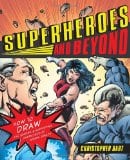
Superheroes and Beyond: How to Draw the Leading and Supporting Characters of Today's Comics by Christopher Hart
Superheroes and Across: How to Depict the Leading & Support Characters of Today'due south Comics comes from a best-selling writer of cartoon and cartoon books and provides step-by-footstep instructions on how to develop characters as well as draw them. From the utilise of light and dark and foreshortening poses to superhero dynamics and activeness, this goes far beyond your typical 'how to draw comics' arroyo.
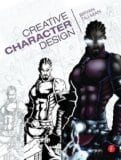
Creative Graphic symbol Pattern past Bryan Tillman
Stories and characters are a lot similar recipes and ingredients: when they work together they can make a greater whole-Bryan gets this concept and it is axiomatic in this hands digested book. A must-have for anyone trying to proceeds a more comprehensive understanding of what goes into grapheme pattern.
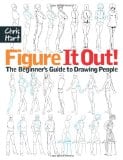
Figure Information technology Out!: The Beginner's Guide to Cartoon People past Christopher Hart
I recollect this is a fantastic book for beginners. The poses solitary are great as quick reference for elementary drawings. The topics are educational, informative and easy to sympathise. A wonderful book for whatever beginner, even intermediate artist to add to their library.
Exit Some Feedback!
| Submit your review | |
Average rating:
0 reviews

Source: https://www.creativecomicart.com/character-creation.html
Posted by: wilkeswhoundle.blogspot.com
0 Response to "How To Draw Comics: Character Design & Drawing The Figure"
Post a Comment